

SMOA Calls on Attorney General Schwalb to Back Court Deadlines and End to Virtual Calendar
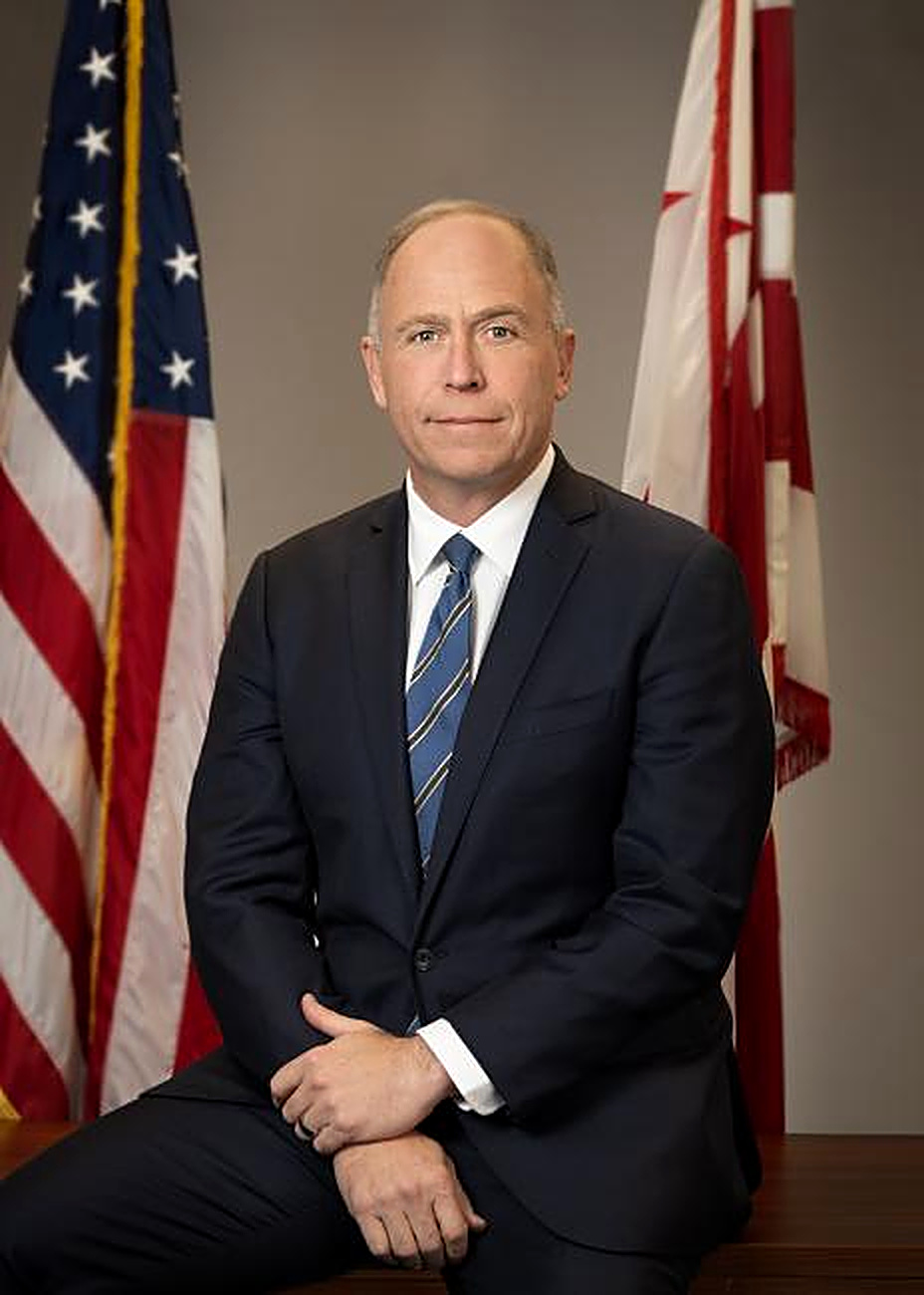
D.C. Attorney General Brian Schwalb
The AG’s office describes a “perfect storm” of unpaid rent but is silent on the virtual calendar driving D.C.’s rent nonpayment crisis
Every month of delay, more tenants are evicted, rent arrears climb, buildings fall into disrepair and move closer to the auction block, and investors run farther from the District.”
WASHINGTON, DC, UNITED STATES, October 27, 2026 /EINPresswire.com/ -- The Small Multifamily Owners Association (SMOA) today called on Attorney General Brian Schwalb to support legislation ending the D.C. Superior Court’s pandemic-era virtual calendar and to support the Housing Investment Protection Act (HIPA) and its 60-day initial-hearing deadline in Landlord and Tenant cases.— Dean Hunter, CEO, Small Multifamily Owners Association
In testimony before the Committee on Housing on October 26 on the Shared Housing Agreements and Resolution Effort (SHARE) Act, B26-0829, Beth Mellen, senior counsel in the Office of the Attorney General (OAG), described “a perfect storm of millions of dollars in rent arrears” and “ongoing economic vacancy rates of 20 to 30 percent” among affordable housing providers, who she said “are only collecting 70 to 80 percent of the rent that is due.”
Mellen warned that if landlords are forced into foreclosure or bankruptcy, the covenants keeping their rents restricted “may be lost,” and that “tenants who are still paying their rent are seeing worsening property management and housing conditions.”
As one affordable housing developer told Councilmember Robert White at last month’s HIPA hearing, “This is what a death spiral looks like.”
“This is a rent nonpayment crisis, and the court is running out the clock on D.C.’s affordable housing,” said Dean Hunter, Founder and CEO of SMOA. “The Attorney General’s own office has documented the damage, but he fails to acknowledge the court’s responsibility. His office’s testimony said nothing about the virtual calendar or hearing deadlines.”
Not a budget problem
OAG’s remedy for court delays is more federal funding. But the Landlord and Tenant Branch now hears less than half as many cases as it did before the pandemic, with twice as many judges. OAG even commended the court for adding a magistrate judge and a fourth courtroom.
“Fewer cases, more judges, longer waits. That is a policy choice,” Hunter said. “Before the pandemic, the court heard about 100 cases a day in person. The virtual calendar never restored that capacity.”
The SHARE Act will not solve the crisis
The SHARE Act, introduced by Councilmember Robert White, would create a mediation pilot for nonpayment cases. As introduced, it would require mediation before a case can even be filed, adding at least 11 days, according to OAG’s testimony. It would not go live until fiscal year 2028, and only if funded. It does nothing about the virtual calendar.
“The virtual calendar is an existential threat to D.C.’s affordable housing industry,” Hunter said. “A pilot that may start in 2028 cannot answer a crisis that is destroying buildings now.”
Our neighbors set deadlines. D.C. sets none.
Virginia law requires a first hearing within 21 days of filing. Maryland law requires a hearing five days after filing. The District has no deadline at all.
Investors are leaving
D.C. now ranks last among the nation’s major real estate markets for investment, according to PwC and the Urban Land Institute. The District’s own housing agency has cited Landlord and Tenant court backlogs as a reason private capital is reluctant to invest.
What SMOA is asking
The Attorney General should support legislation ending the virtual calendar and support HIPA with its 60-day initial-hearing deadline.
The Committee on Housing should pass HIPA with its 60-day initial-hearing deadline intact.
The Council should pass legislation ending the virtual calendar, as an amendment to pending legislation or as a separate bill.
The Council has the authority
In Banks v. Hoffman (2025), the D.C. Court of Appeals, sitting en banc, unanimously held that the Council may set the procedures that govern how cases are decided in D.C. courts. A hearing deadline and an in-person hearing requirement fall squarely within that authority.
The time to act is now
“Every month of delay, more tenants are evicted, rent arrears climb, buildings fall into disrepair and move closer to the auction block, and investors run farther from the District,” Hunter said. “After five years, this will not fix itself, and it should not be handed to a new Council and a new administration. The Attorney General has described the damage. Now he needs to support the cure.”
Read SMOA’s one-page legislative briefing.
About SMOA
SOMA supports small and mid-sized independent affordable housing providers in the District of Columbia through advocacy, research and education.
Dean Hunter
Small Multifamily Owners Association
+1 202-660-1333
Legal Disclaimer:
EIN Presswire provides this news content "as is" without warranty of any kind. We do not accept any responsibility or liability for the accuracy, content, images, videos, licenses, completeness, legality, or reliability of the information contained in this article. If you have any complaints or copyright issues related to this article, kindly contact the author above.
