

Chairman Rick Scott, Ranking Member Kirsten Gillibrand Hold First-Ever Congressional Hearing on Menopause
WASHINGTON, D.C.- Today, Chairman Rick Scott joined Ranking Member Kirsten Gillibrand to lead a hearing entitled, “Half the Country, Zero Hearings: Meeting the Moment to End the Menopause Care Gap in America.” The Senate Special Committee on Aging focused on the urgent need to identify and address gaps in menopause research, training, and care.
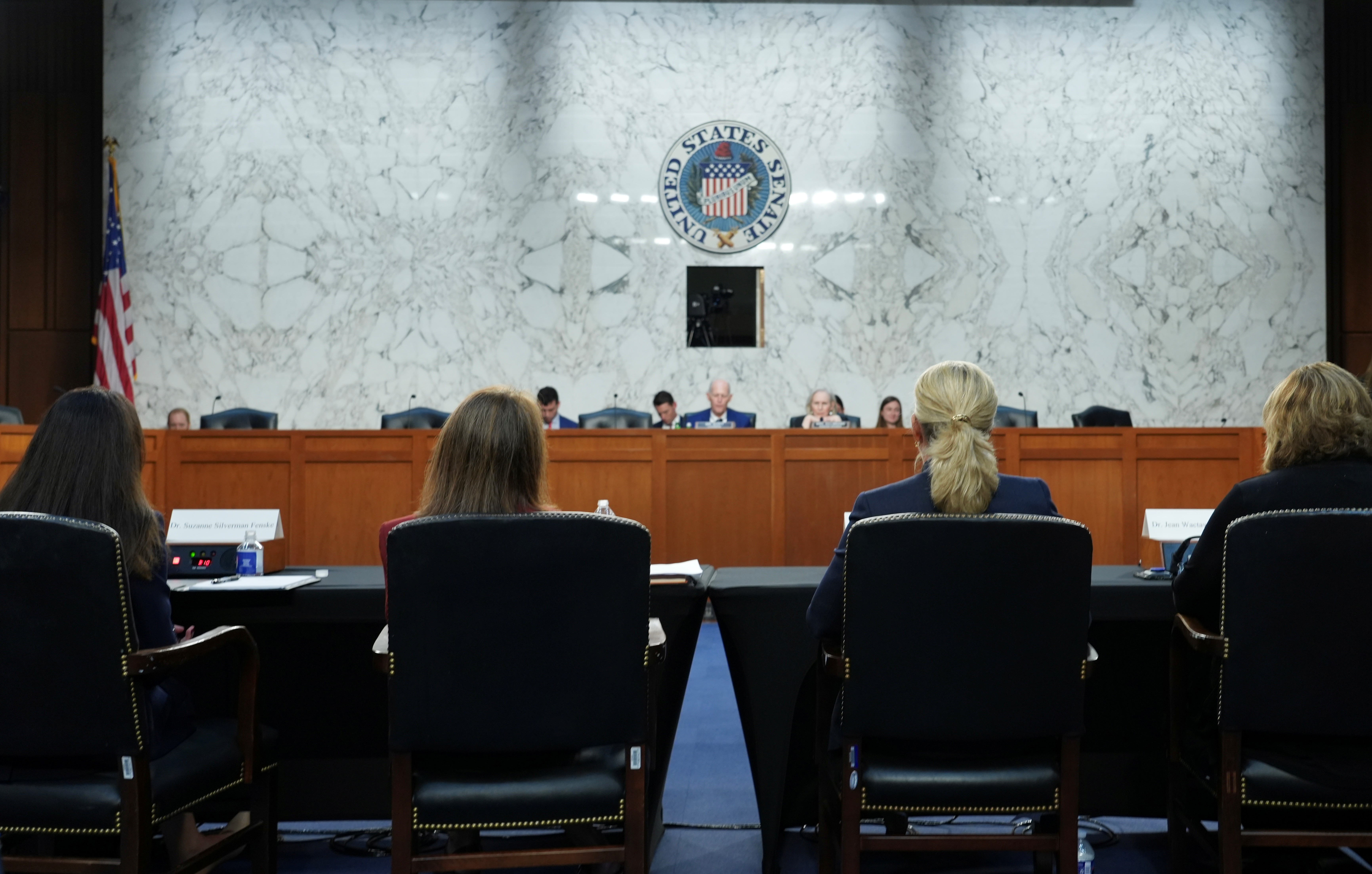
Click HERE to watch Chairman Scott’s opening remarks.
Chairman Scott’s witness for the hearing:
- Suzanne Silverman Fenske, MD, FACOG, ABOIM, MSCP, Double Board-Certified Gynecologist, Founder, TaraMD, New York, NY
Read Chairman Scott’s opening remarks below.
Thank you all for being here today, and thank you, Ranking Member Gillibrand, for your leadership on this issue.
Women make up half of the American population, and 8 to 10 million women experience menopausal symptoms each year.
While menopause is a natural part of aging for women, every woman is impacted differently.
And more often than not, they’re not simply dealing with a minor inconvenience; they’re facing symptoms that have real consequences on their quality of life.
Not to mention having to navigate finding a doctor, understanding their symptoms, developing a treatment plan, and managing changes to their health, all while balancing jobs, families, and everything else life throws at them.
That’s unacceptable. Women should not suffer in silence.
Too often, women still enter this stage of their lives without the information they need or a clear understanding of what to expect. And then they’re forced to figure it out as they go through it.
There’s simply no excuse for the lack of resources and information to help every woman navigate menopause and the challenges that come with it.
This hearing is not about a one-size-fits-all solution; it’s about ensuring that every woman in this country has access to good information, the right healthcare provider, and treatment options, so they can advocate for themselves and make the best decisions for their health.
To empower women with information so that they can be the best advocates for their health, we must first identify the gaps. That’s why I’m proud to work with Ranking Member Gillibrand on a letter to the Government Accountability Office asking them to identify gaps in menopause research and care.
We also need providers who have the most up-to-date training and who are able to clearly discuss treatment options with their patients.
Right now, women have several treatment options at their disposal to manage symptoms, including hormone replacement therapy.
For years, however, questions and concerns about the safety of hormone therapy and the FDA’s black box warning on these products left women and doctors unsure how to proceed.
Thankfully, we now know that hormone replacement therapy is a safe option for many women. Still, access barriers like lack of information and limited availability can make it difficult for women to access these medications.
I applaud the FDA for improving access to menopausal treatment by taking steps like removing the black box warning on hormone replacement therapy treatments and empowering women to make the best decision for themselves and their health.
Following the FDA’s removal of the black box warning last November, the data is already showing that women are using treatments like hormone replacement therapy and estrogen patches more.
Treatment is a huge piece of the puzzle, but the shortage of health providers creates barriers to accessing it in the first place.
There are simply not enough specialists to meet the growing demand. Approximately 2 million women enter menopause each year, and the number of residents and physicians is not keeping pace with the aging population. These shortages result in a lack of access and physician burnout.
The doctors we do have are also facing tremendous pressure. More than 45 percent of OB-GYNs have reported experiencing burnout.
Just earlier this year, this committee had a hearing where we heard firsthand about this happening.
Congress should look at what we can do to eliminate unnecessary regulatory barriers and administrative burdens that take doctors away from their patients and contribute to burnout.
Every woman has a different journey with menopause, and menopause can have wide-ranging effects, which is why it is so important that women have access to providers and treatment.
Changes in hormone levels associated with menopause can affect bone, heart, and other aspects of women’s health, and appropriate treatment can make a real difference in a woman’s symptoms and quality of life.
Hormone replacement therapy not only helps women manage their menopause symptoms but can also improve their quality of life post-menopause.
America has incredible doctors, nurses, researchers, and treatments. Our job should be to make sure women know what options are available, have good information, and can get the care they need.
Today’s hearing is an important first step in how we talk about menopause and women’s health in Congress, and I’m proud to bring awareness to it with the members of the committee.
I want to again thank my colleague, Ranking Member Gillibrand, for leading on this issue that affects so many Americans, and I look forward to today’s discussion.
###
Legal Disclaimer:
EIN Presswire provides this news content "as is" without warranty of any kind. We do not accept any responsibility or liability for the accuracy, content, images, videos, licenses, completeness, legality, or reliability of the information contained in this article. If you have any complaints or copyright issues related to this article, kindly contact the author above.
